Embracing Sustainability with Eco-Friendly Container Housing Solutions
- Elmar W. van Emmenis

- Jan 15
- 4 min read
When I first heard about container homes, I was curious but skeptical. How could old shipping containers become comfortable, stylish homes? Over time, I discovered that these structures offer a unique way to embrace sustainability while creating affordable, modern living spaces. Today, I want to share why eco-friendly container housing solutions are gaining momentum and how they can transform the way we think about sustainable living.
Why Choose Eco-Friendly Container Housing Solutions?
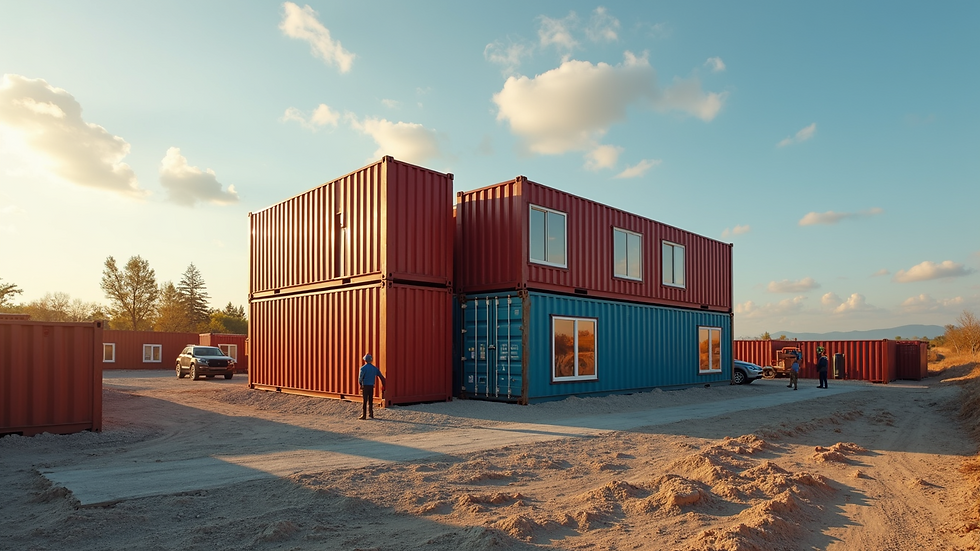
Choosing eco-friendly container housing solutions means opting for a lifestyle that respects the environment without sacrificing comfort or style. Shipping containers are repurposed steel boxes originally designed to transport goods across oceans. Instead of letting these containers sit unused or become waste, they can be transformed into homes that reduce the demand for traditional building materials like wood and concrete.
Here are some key benefits that make container homes a smart choice:
Reduced Waste: Using existing containers prevents them from ending up in landfills.
Lower Carbon Footprint: Less new material production means fewer emissions.
Durability: Steel containers are strong and weather-resistant.
Speedy Construction: Modular design allows for faster building times.
Cost-Effective: Often cheaper than traditional homes, especially when factoring in energy savings.
By choosing container homes, you’re supporting a circular economy and helping reduce the environmental impact of housing.

Designing for Sustainability and Comfort
One of the biggest misconceptions about container homes is that they are cramped or uncomfortable. In reality, with thoughtful design, these homes can be spacious, bright, and energy-efficient. The key is to focus on insulation, ventilation, and natural light.
Insulation and Energy Efficiency
Steel containers conduct heat and cold easily, so proper insulation is essential. I recommend using eco-friendly insulation materials such as:
Spray foam insulation: Provides excellent air sealing.
Recycled denim or wool: Natural and sustainable options.
Structural insulated panels (SIPs): Combine insulation and structure.
Good insulation keeps the home warm in winter and cool in summer, reducing the need for heating and cooling systems.
Maximizing Natural Light
Large windows and skylights can transform a container home. They bring in natural light, making the space feel open and reducing electricity use during the day. Positioning the home to take advantage of sunlight also helps with passive solar heating.
Ventilation and Air Quality
Proper airflow is crucial for comfort and health. Installing energy-efficient ventilation systems or operable windows ensures fresh air circulates, preventing moisture buildup and improving indoor air quality.
Practical Steps to Build Your Container Home
Building a container home might seem daunting, but breaking it down into manageable steps makes the process smoother. Here’s a simple roadmap I suggest:
Planning and Design
Start with a clear vision. Decide on the size, layout, and features you want. Work with architects or designers experienced in container homes to optimize space and sustainability.
Selecting Containers
Choose containers in good condition. Look for “one-trip” containers that have only made a single journey, as they tend to be cleaner and less damaged.
Site Preparation
Prepare the land with a solid foundation. Options include concrete slabs, piers, or even recycled materials like crushed stone.
Modifications and Assembly
Cut openings for doors and windows, install insulation, and assemble the containers on-site. This stage requires skilled labor to ensure structural integrity.
Interior Finishing
Add flooring, walls, plumbing, and electrical systems. Use sustainable materials wherever possible.
Landscaping and Outdoor Features
Incorporate native plants and rainwater harvesting systems to enhance sustainability.
By following these steps, you can create a home that is both eco-friendly and tailored to your needs.
The Role of Technology and Innovation
Technology plays a big role in making container homes more sustainable and livable. For example, AI-driven design tools can optimize space and energy use, ensuring every square foot is functional and efficient. KontainerKing, a leader in this field, uses AI to create stylish, eco-friendly container homes that meet modern living standards.
Smart home systems can also be integrated to monitor energy consumption, control lighting, and manage heating and cooling. Solar panels and battery storage systems further reduce reliance on the grid, making these homes nearly self-sufficient.
How Container Homes Support a Greener Future
Container homes are more than just a trend - they represent a shift toward responsible living. By choosing sustainable container homes, you contribute to:
Reducing Urban Sprawl: Compact designs use less land.
Lowering Construction Waste: Repurposing containers cuts down on debris.
Promoting Energy Independence: Solar and efficient systems reduce fossil fuel use.
Encouraging Innovation: New materials and designs push the boundaries of green building.
These homes can be part of larger eco-communities or stand-alone retreats, offering flexibility for different lifestyles.
Making Sustainable Living Accessible and Stylish
One of the most exciting things about container homes is how they combine sustainability with style. Gone are the days when eco-friendly meant sacrificing aesthetics. Today’s container homes feature sleek lines, modern finishes, and customizable interiors that reflect personal taste.
KontainerKing is at the forefront of this movement, offering franchise opportunities that bring these innovative homes to more people worldwide. Their AI-designed models ensure that sustainability and style go hand in hand, making green living accessible and desirable.
If you’re considering a new home or investment, container homes offer a compelling option that aligns with environmental values and modern design trends.
Taking the Next Step Toward Sustainable Living
If you’re ready to explore container homes, start by researching local regulations and zoning laws. Some areas have specific rules about alternative housing, so it’s important to understand what’s allowed.
Next, connect with professionals who specialize in container home design and construction. They can guide you through the process and help you make informed decisions.
Finally, think about your lifestyle needs and how a container home can support them. Whether it’s a tiny home, a family residence, or a vacation retreat, these homes offer flexibility and sustainability in one package.
Embracing eco-friendly container housing solutions is a meaningful way to reduce your environmental impact while enjoying a unique and comfortable living space. With innovation and care, container homes can be a cornerstone of a greener future.


Comments